
From Chip to Chiller
Delivering Efficient Liquid Cooling

Less Power
Improve cooling efficiency and reduce energy consumption.
Less CO₂
Lower carbon emissions through efficient thermal management.
Less Water
Reduced Dependence on Water-Intensive Cooling Systems
More Compute
Support higher rack densities with reliable thermal performance.
Featured In


Engineered for Precision Hotspot Removal in XPUs
Precision Thermal Engineering
Wire-mesh cold plates remove heat at the hotspot, from 300 W to 2,500 W per plate, built for XPUs pushing racks past 100 kW.
Modular Cooling Infrastructure
RDHx scales in 20 kW blocks to 100 kW per door, CDU scales in 250 kW blocks to 1.5 MW in-row.
Built-In Redundancy
N+1 redundant pumps and fans, automated leak isolation, and toolless service at every stage, backed by lifecycle support.
AI Native Thermal Intelligence
NexusFlow OS runs Chip to Chiller and Grid to Rack as one live loop, learning each facility and getting sharper the longer it operates.
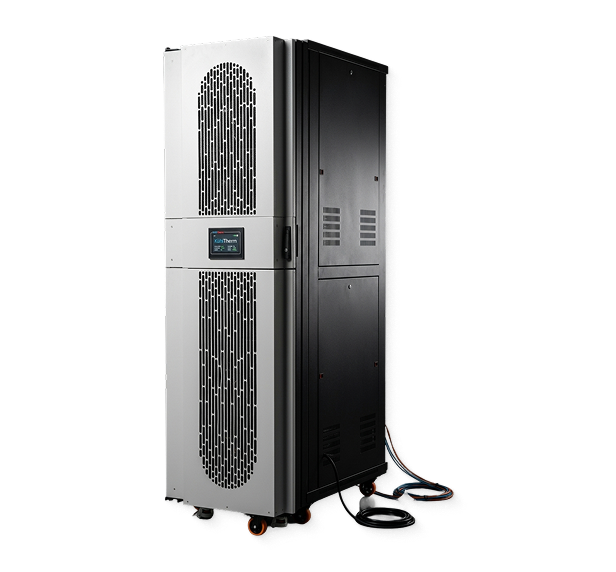
Rear Door Heat Exchanger
RDHx ProSeries
The KühlTherm RDHx ProSeries captures heat directly at the rear of the rack before it enters the data centre environment. Designed for high density AI and GPU infrastructure, it reduces the need for major facility changes and improves overall cooling efficiency.
Built on a modular architecture scaling from 20 kW to 100 kW per door, the system uses variable speed fans and built-in redundancy to adapt to real time thermal load. This enables higher rack densities, simplified deployment, and improved operational efficiency.
Explore Solutions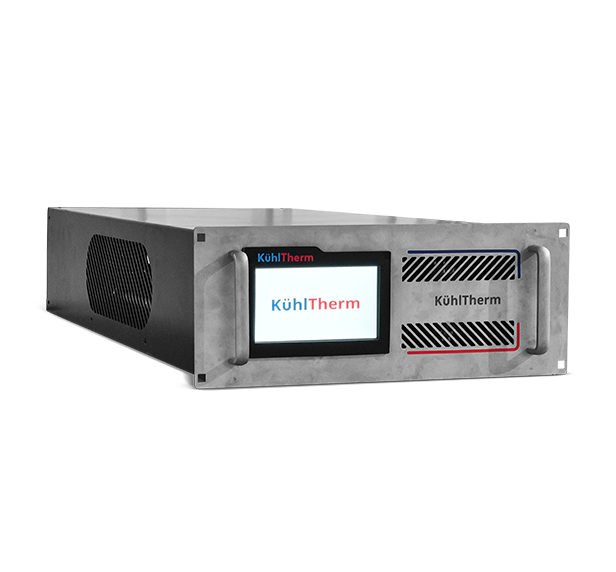
Cooling Distribution Unit
Precision Coolant Distribution
The KühlTherm Coolant Distribution Unit sits between facility water and liquid cooling infrastructure, delivering precise coolant flow, temperature control, and pressure management for reliable thermal performance.
Engineered in modular blocks scaling from 250 kW to 1.5 MW per row, the CDU combines built-in redundancy with leak-free connections for continuous, uninterrupted operation. This supports both current infrastructure and future capacity growth.
Explore Solutions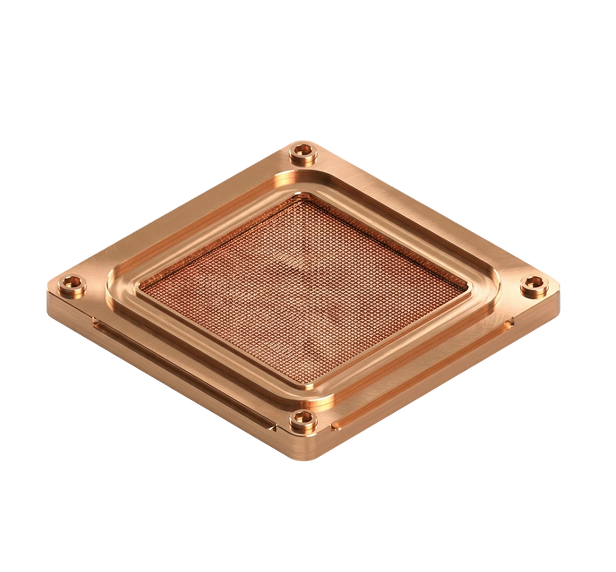
Direct Liquid Cooling
Cold Plate Cooling System
The KühlTherm Direct Liquid Cooling system removes heat directly from CPUs and GPUs using patented Mesh Cold Plate technology co-engineered around the thermal profile of modern processors, enabling precise hotspot removal where compute demands are highest.
Delivering 300 W to 2,500 W of cooling capacity per plate and built for rack densities beyond 100 kW, it integrates with the full KühlTherm ecosystem to support higher compute densities and greater infrastructure efficiency.
Explore SolutionsNexus Flow
The Intelligence Layer Data Centres Never Had.
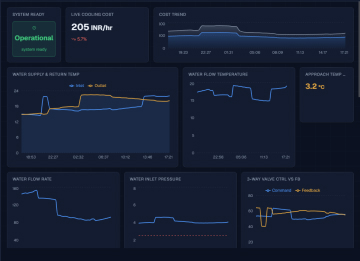
NexusFlow OS combines thermal and power intelligence into a unified AI-native platform, delivering complete visibility, predictive optimization, and autonomous orchestration across your liquid cooling infrastructure
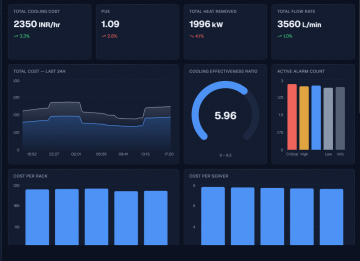
Chip-to-Chiller Intelligence
Complete thermal visibility from chip to chiller, optimizing every stage of heat transfer.
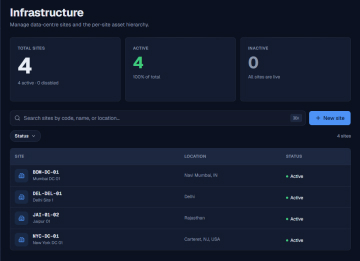
Grid-to-Rack Intelligence
End-to-end visibility across the entire power chain, from grid to rack.
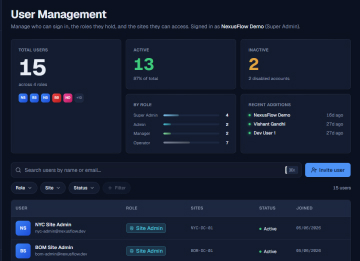
Autonomous Cooling Control
Continuously optimizes cooling parameters to match real-time infrastructure demands.
AI-Powered Load Prediction
Predicts thermal demand before workloads change, enabling proactive cooling optimization.
India's Only Integrated
Liquid Cooling Validation Lab
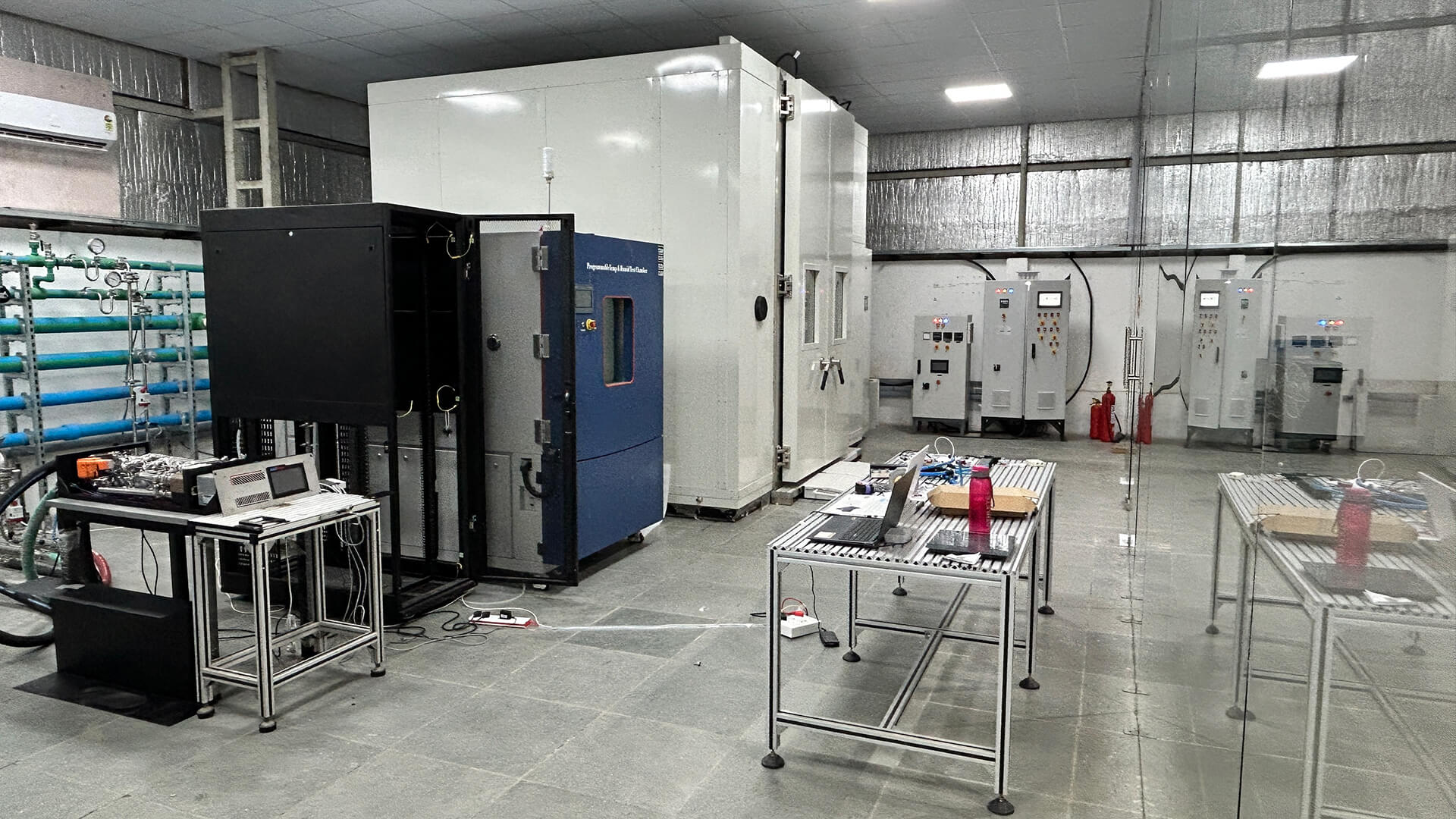
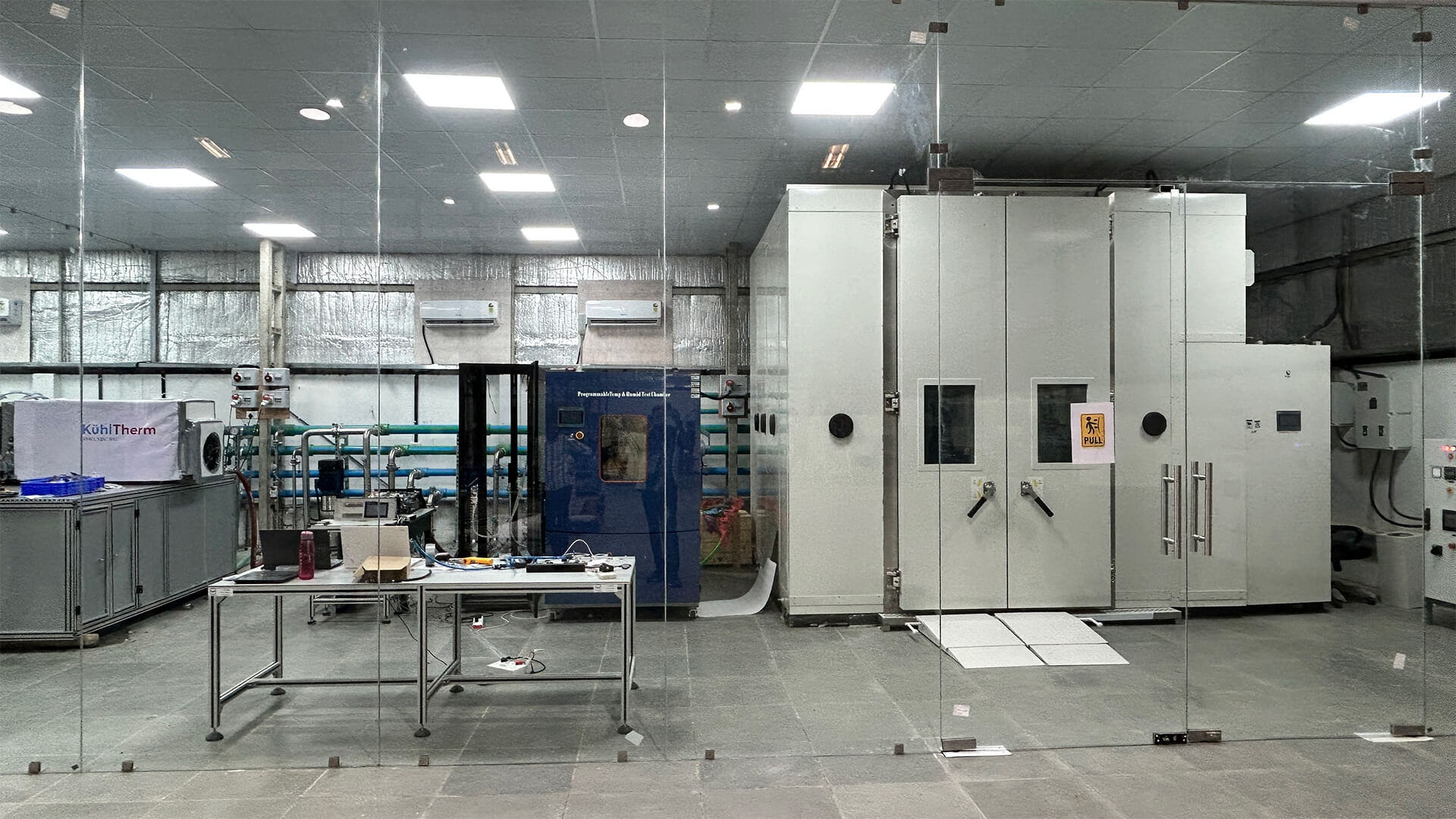
Advanced testing and simulation capabilities that validate thermal performance, optimize cooling efficiency, and accelerate product innovation.
KühlTherm
Built Around Innovation.
KühlTherm builds full-stack liquid cooling systems that redefine thermal performance and scalability for AI infrastructure — powered by patented technology and relentless R&D